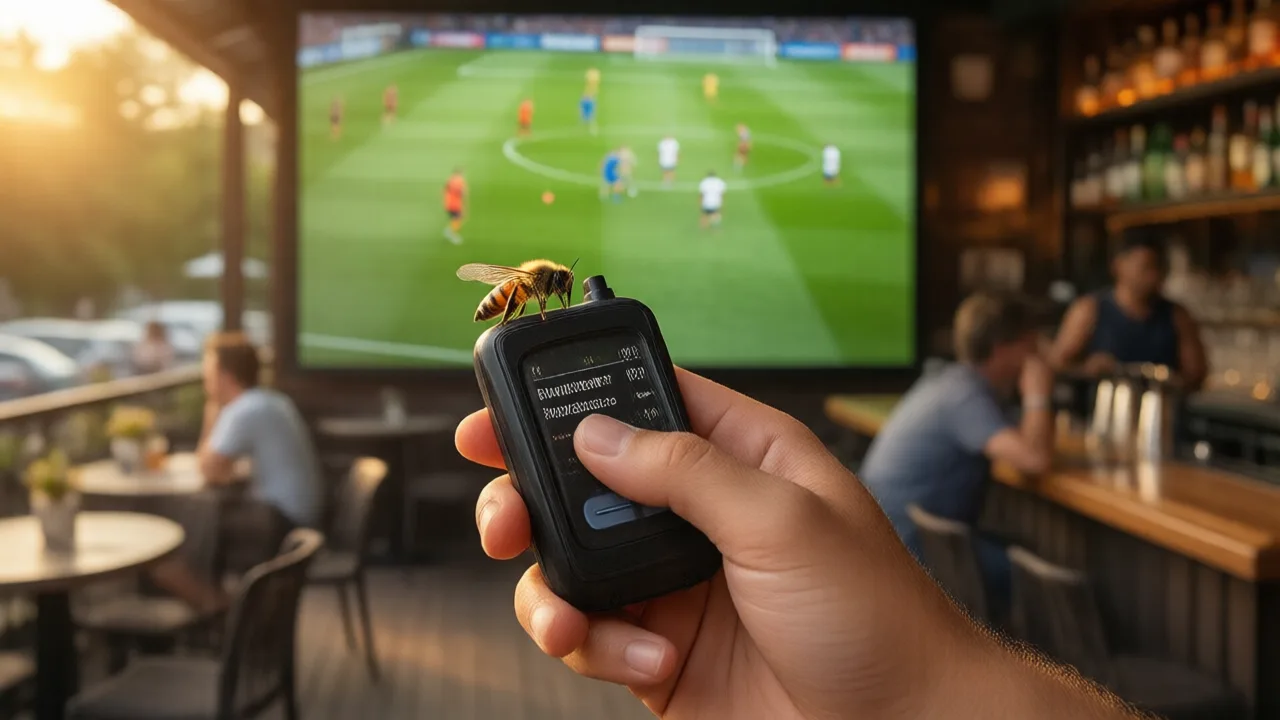
Post-World Cup 2026 Paging System Review for Restaurants
The 2026 FIFA World Cup final was played on July 19, 2026. For restaurants that handled match crowds, the useful question now is not whether the event was busy. It is whether the waitlist, paging system, SMS channel, and table-ready handoff produced evidence that can improve the next high-demand night.
Start With the Waitlist Timeline
Export or reconstruct the timeline for each match day: first rush, quoted wait, table-ready time, notification channel, response time, no-show time, and final seating time. If the restaurant only remembers that the lobby was packed, the lesson is too vague to act on. A useful review separates late seating from missed notifications, missed notifications from wrong phone numbers, and wrong phone numbers from guests who left after the quote changed.
The highest-value metric is quote error by party size and time block. A quoted 20-minute wait that turns into 38 minutes creates a different recovery problem than a quoted 60-minute wait that seats in 42 minutes. The first breaks trust; the second may sound conservative but can push guests away before they even join the list.
Compare Pager, SMS, and Manual Recovery
Match-night crowds often expose channel mismatch. Physical pagers work well for guests who stay in the property, but they can fail when people drift into a large outdoor fan zone or want to wait at a nearby business. SMS works well for roaming guests, but it depends on a correct number, consent, cell coverage, and the guest noticing the message. Manual recovery works only if the host has time to walk the lobby or call the party.
Do not judge channels by preference alone. Review failed alerts. If pager failures clustered on the patio, the issue may be waiting-zone range or handoff policy. If SMS failures clustered around foreign numbers or noisy post-match windows, the issue may be confirmation language and second-notification timing. If staff walked the lobby repeatedly, the waitlist did not give them enough state.
Build an Event-Night Queue Sheet
- Expected match start, halftime, extra time, and post-match exit windows.
- Party-size mix by hour, especially two-tops versus larger groups.
- Notification channel rule: pager, SMS, phone call, or manual walk.
- Second-alert rule for guests who do not respond within the target window.
- No-show timer and recovery script for late-returning parties.
- Manager review fields: quote error, channel failure, walkaway reason, and table-ready delay.
Use the Bar and Waiting Areas Deliberately
Sports crowds can be profitable only when the waiting area is controlled. If guests wait at the bar, the notification rule must still be clear: are they holding a pager, watching for SMS, or listening for a name? If guests spill outside, the host should know whether that zone is covered by the selected channel. A busy bar is not a substitute for a waitlist state.
For the next event, map where guests actually waited rather than where the restaurant hoped they would wait. Then assign one channel per zone. The front patio may be pager-friendly, the parking lot may require SMS, and callers who have not arrived may need a phone or AI-host workflow that does not pollute the arrived-party queue.
Turn the Event Into a Reusable Playbook
The best outcome is a one-page playbook for the next playoff, holiday, concert, graduation, or local festival. It should include staffing by time block, quote padding rules, notification channel by waiting zone, the second-alert process, and the closing review. This is where RestaurantsPaging differs from pager hardware content: the device matters, but the operating sequence decides whether guests come back when the table is ready.
Review What Search and Ads Should See
For a low-value review, this article should not look like a thin event recap. It should show a concrete restaurant operations lesson from the 2026 World Cup: busy events stress quote accuracy, notification delivery, and recovery timing. The page now uses the tournament as a case study for future event-night queue planning rather than pretending the final is still ahead.
After deployment, watch whether Googlebot requests this URL from the sitemap and whether real visitors move from the blog hub to the waitlist buyer guide, table-ready notification page, or quote-time math page. If there are impressions but no clicks, the title should stay practical: post-event paging review, event-night waitlist playbook, and restaurant guest notification checklist are clearer than sports marketing language.
The same review should be repeated after every major local event. Record the event name, peak arrival window, quoted waits, missed alerts, no-show timer, table-ready delay, and final seating outcome. That historical record makes the next event plan specific instead of guessed.
Review the queue, not just the crowd
After every event, compare quote accuracy, notification failures, no-shows, walkaways, and table-ready delays. The next rush should start with evidence from the last one.